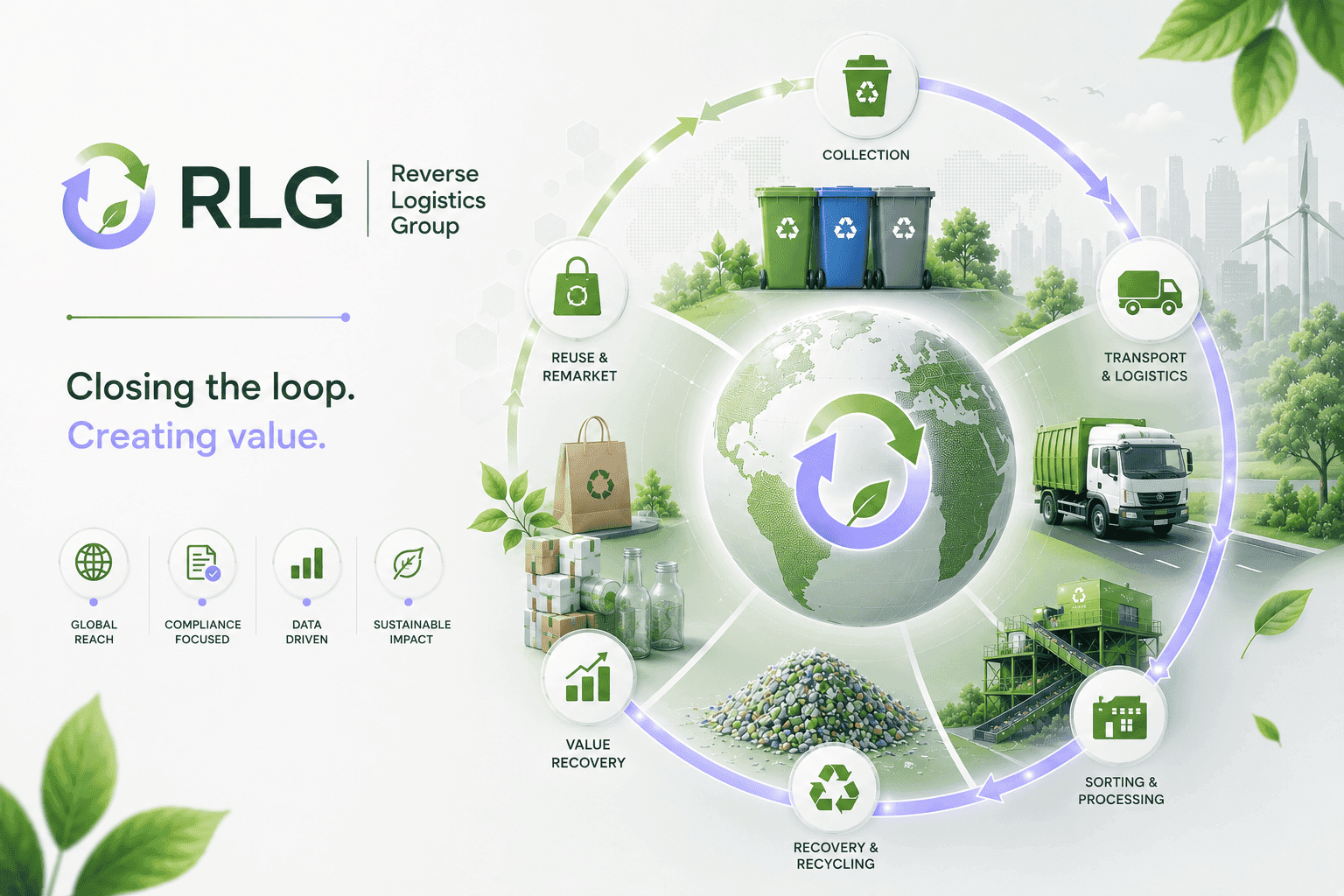
Many businesses that handle returns, recycling, and product recovery eventually need one structured operating model instead of several separate workflows. Reverse Logistics Group (RLG) becomes especially useful when reverse operations begin to affect reporting, service quality, and internal coordination across more than one market.
In reality, many teams only start reviewing these processes when operational pressure becomes too high and simple tools no longer work well enough. At that point, businesses view Reverse Logistics Group (RLG) not just as a service provider, but also as an integral part of a more stable business infrastructure.